
As the core component for converting solar energy into electricity, the performance optimization of solar panels has always been a key research focus in the photovoltaic field.
The global pursuit of sustainable energy solutions has driven significant innovation within the photovoltaic industry, leading to the development of technologies that maximize energy yield per unit of land and investment.
Solar panels are widely used in renewable energy applications due to their cleanliness and high efficiency. However, during long-term outdoor operation, solar panels inevitably experience efficiency degradation, such as decreased output power and reduced
Solar panels play a crucial role in photovoltaic systems, converting light energy into electrical energy. Their conversion efficiency directly impacts the system's power generation performance.
When light strikes a textured surface, the rough structure breaks the specular reflection condition, causing the reflected light to scatter in all directions.
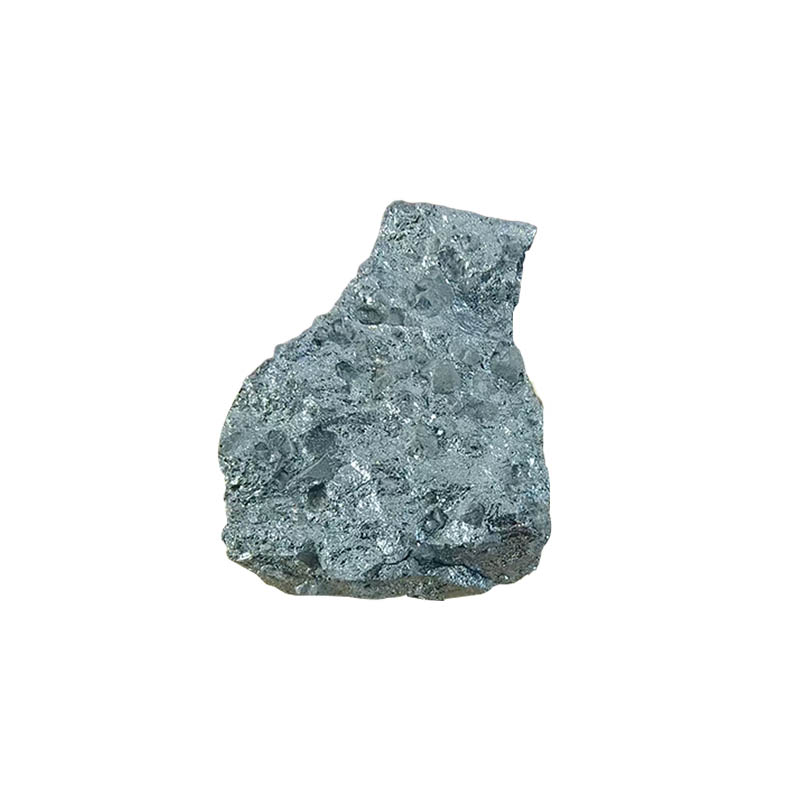
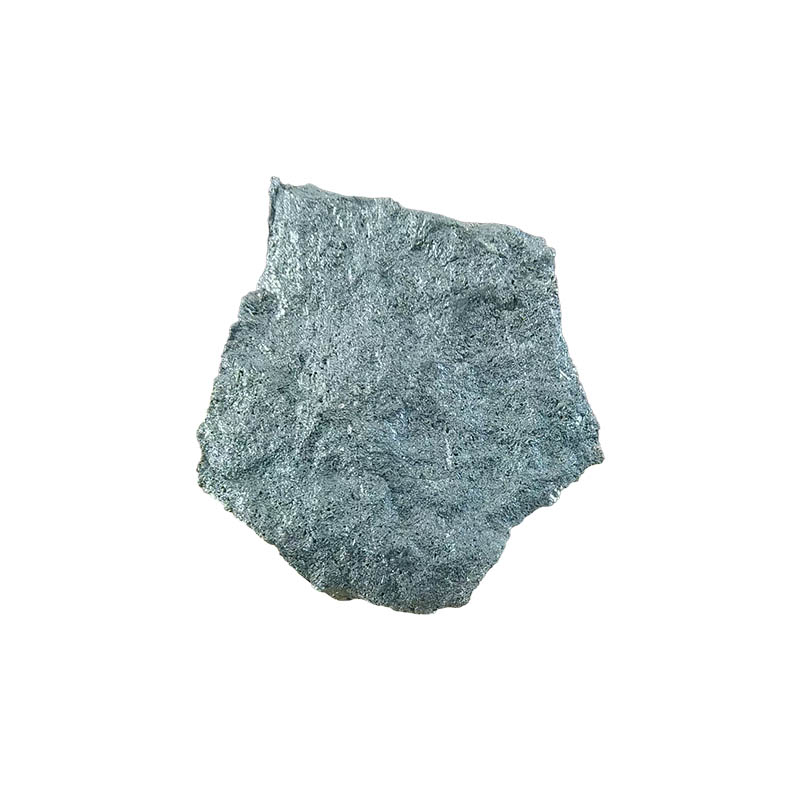
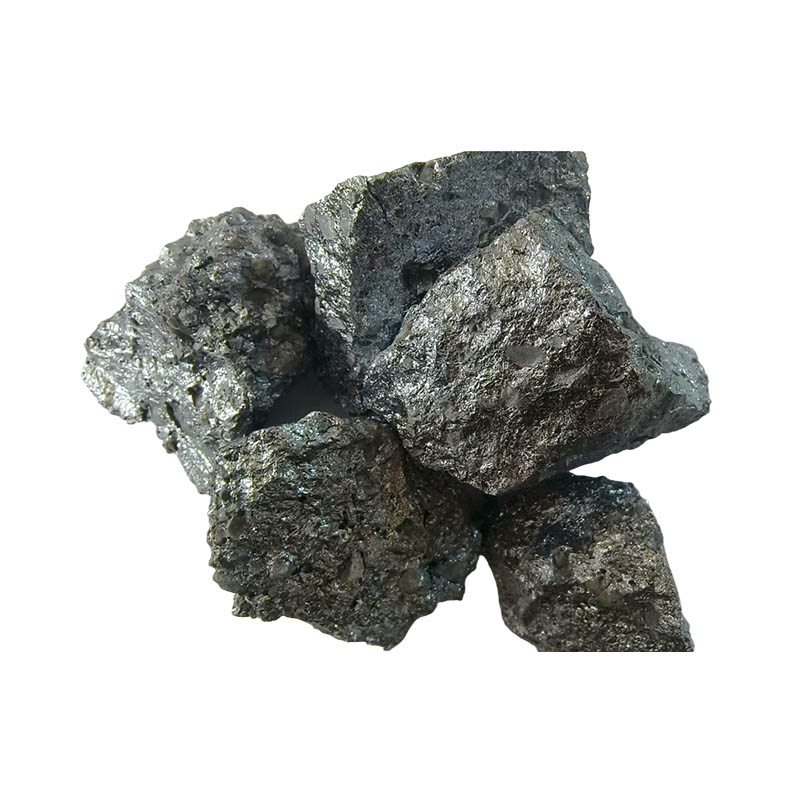
High-purity ferrosilicon, as a special ferrosilicon alloy with extremely low aluminum and calcium impurities, has become a key "engine" for ensuring the high efficiency of the reaction and the purity of the product, thanks to its stable chemical compositi